How Trailer Assist Works With ADAS
Hitch up a trailer and your driver-assist features change. A former calibration tech explains what shifts and why.

Key takeaways
- Trailer assist means two things: a reversing aid that steers the trailer for you, and the way your other ADAS features adapt while towing.
- With a trailer attached, blind spot monitoring should extend to cover the trailer length, but only if the car knows it is towing.
- Rear cross-traffic alert is often disabled while towing because the trailer blocks the corner radars, which is normal, not a fault.
- Tell the car it is towing through trailer mode or a proper connection, or the towing adaptations may not switch on.
- Installing a hitch or repairing the rear bumper can knock the radars out of alignment and require recalibration.
Hook a trailer to the back of a modern car and something strange happens on the dashboard. Features that worked fine a minute ago start behaving differently, warnings you have never seen appear, and the blind spot system suddenly covers a much bigger area. That is not a glitch. Your ADAS just found out it is towing.
Trailer assist is really two different things wearing one name, and people mix them up constantly. There is the feature that helps you reverse a trailer by steering for you, and there is the way the rest of your driver-assist systems adapt once a trailer is attached. I have calibrated the sensors that both of these lean on, and getting them working right after you hitch up is where most of the trouble starts.
Here is what trailer assist actually does, how towing changes your other ADAS features, and the setup steps that keep everything honest when there is a trailer on the back.
Two features, one confusing name
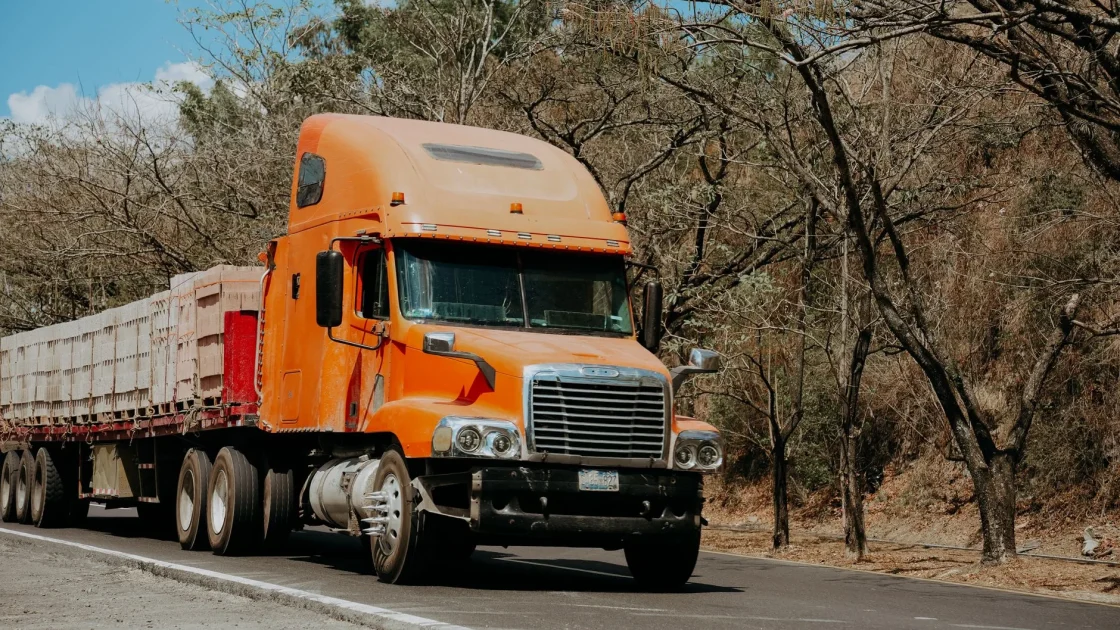
The first meaning of trailer assist is a reversing aid. You turn a knob or dial instead of the wheel, tell the car which way you want the trailer to go, and the car steers itself to make the trailer follow. It takes the counterintuitive backward-steering nightmare out of parking a trailer, and it genuinely works once you trust it.
The second meaning is broader and more important for everyday safety: how your existing driver-assist features change when they know a trailer is connected. Blind spot monitoring, cross-traffic alert, and stability systems all adjust their behavior to account for the extra length behind you. Both of these sit inside the wider family of features covered in the pillar on how modern driver-assist systems work, and towing is where they get tested hardest.
Most drivers care far more about the second meaning, because it affects every mile you tow, not just the moment you park. So that is where the real detail lives.
How towing changes your blind spot system
This is the change you feel first. Without a trailer, blind spot monitoring watches the two zones just behind and beside your car. Add a trailer and those zones are wrong, because the trailer is now sitting in them and extends far past where the system normally looks.
Cars built to tow handle this in one of two ways. Some let you tell the car a trailer is attached, and the system extends its blind spot coverage to include the length of the trailer. Others use trailer-specific sensors or a longer detection zone automatically. Either way, the goal is to keep watching the spot beside your trailer, not just beside your car. The base feature is worth understanding first, and the guide on blind spot monitoring explained simply lays out how the standard zones work before a trailer stretches them.
Watch out
If your car does not know a trailer is attached, its blind spot system may still be watching only the zone beside the car, leaving the whole length of the trailer uncovered. Check your manual for how to tell the car it is towing, and never assume the trailer is being monitored.
What towing does to the rest of your ADAS
Blind spot coverage is only the start. Several other systems shift once a trailer is connected, and knowing what to expect keeps you from being surprised.
| Feature | How towing changes it |
|---|---|
| Blind spot monitoring | Extends coverage to include the trailer length, if the car knows it is towing |
| Rear cross-traffic alert | Often disabled, because the trailer blocks the rear corner radars |
| Adaptive cruise control | May increase the following gap and brake earlier for the extra weight |
| Automatic emergency braking | Adjusts for longer stopping distance, though it may warn earlier |
| Trailer sway control | Activates to brake individual wheels and settle a swaying trailer |
That rear cross-traffic row catches people out. Because the trailer physically sits in front of the corner radars behind the bumper, the feature often shuts off while towing, and that is expected behavior, not a fault. The way those rear radars work is covered in the guide to rear cross-traffic alert, and once you see where they sit, it is obvious why a trailer blinds them.
The setup that keeps it all working
Most towing ADAS complaints come down to setup, not broken hardware. Do these before you rely on anything.
-
Tell the car you are towing
Many vehicles have a towing or trailer mode in the settings or a physical trailer connection that flags it automatically. Turn it on. This is what triggers the extended blind spot zone and the adjusted braking.
-
Check the trailer lights and connection
A proper seven-pin connection often tells the car a trailer is present. A bad plug can leave the car unaware it is towing, which quietly disables the towing adaptations.
-
Learn which features drop out
Expect rear cross-traffic alert to disable and blind spot behavior to change. Read the trailer messages on your dash so you know what is off and what is still watching.
-
Give yourself more room
Even with adaptive cruise adjusting, a loaded trailer needs far more stopping distance. Set a longer following gap and brake earlier than the system does.
Tip
The first time you tow with a new vehicle, do a slow test lap in an empty lot with the trailer attached. Watch which warnings appear and how the blind spot display changes, so nothing surprises you at highway speed with traffic around.
When calibration comes into it
Here is where my old job meets the trailer. The sensors that towing relies on, the rear corner radars and the blind spot radars, are aimed precisely. If you install a hitch, a bumper-mounted step, or anything that disturbs the rear bumper, those sensors can shift out of alignment.
When that happens, the systems misread the world, and a blind spot warning may fire at the trailer itself or miss a real car. The radars behind the bumper are the same units explained in the guide to blind spot radar sensors, and they do not tolerate being knocked. If your towing features act strangely after a hitch install or a rear repair, that is a calibration flag, and the piece on signs your ADAS needs recalibration lists exactly what to watch for. The full process is laid out in the ADAS calibration guide if you want the deeper picture.
Manufacturers publish trailering guidance for good reason, and it is worth reading for your specific truck or SUV. The towing safety material from the National Highway Traffic Safety Administration is a solid starting point on weights and stability: NHTSA towing a trailer safety. A Ford I calibrated after a customer added a heavy-duty hitch needed its rear radars re-aimed before the blind spot system trusted itself again, and once it was set, towing felt normal. Tell your car it is towing, respect the features that step back, and give yourself the extra room a trailer demands. Do that, and your ADAS becomes a real help behind a load instead of a source of mystery warnings.
Frequently asked questions
Trailer assist usually refers to a reversing aid that steers the car so the trailer follows the direction you dial in, taking the guesswork out of backing up. Towing mode, sometimes bundled under the same trailer settings, is what tells your other driver-assist features that a trailer is attached so they can adapt. Both matter, but towing mode affects every mile you tow, not just parking.
It can, but only if your car knows a trailer is connected. Vehicles built to tow either extend the blind spot zone automatically or let you enable a trailer setting that stretches coverage to include the trailer length. If the car is unaware it is towing, the system may still watch only the area beside the car and leave the trailer uncovered.
Because the trailer physically sits in front of the corner radars behind your rear bumper, blocking their view across the lane. Most vehicles disable rear cross-traffic alert while towing for exactly this reason, and it is expected behavior rather than a malfunction. It should return to normal once the trailer is disconnected.
You might. The rear corner and blind spot radars are aimed precisely, and installing a hitch, a bumper step, or repairing the rear bumper can shift them out of alignment. If your blind spot or cross-traffic features behave strangely after the work, such as warning at the trailer itself or missing real cars, that is a sign the radars need recalibration.
Keep reading
Related guides
How Adaptive Cruise Control Works
A former calibration tech explains the radar, the following-distance math, and how to actually use adaptive cruise without getting surprised.
Read guide
How Lane Centering Handles Curves
Your car holds a straight lane with ease, so why does it wander in a bend? A former calibration tech explains lane centering in curves.
Read guide
Rear Cross-Traffic Alert, Explained
The two little radar units in your back bumper that watch for traffic while you reverse, decoded in plain English.
Read guide