Blind Spot System Off Message Guide
Sometimes the blind spot monitor is off because you switched it off, and sometimes because the car did.

Key takeaways
- Blind Spot System Off can mean a menu setting is disabled or the sensors cannot see.
- Dirt, snow, and ice over the rear corner radar are the most common involuntary causes.
- Check the driver-assist menu first, because the feature is often just toggled off.
- Trailers and bike racks over the bumper deliberately disable the system on many cars.
You glance at the dash and there it is: “Blind Spot System Off,” or maybe “Blind Spot Monitor Unavailable” or “BSM Off.” The little amber icons in your mirrors that usually light up when a car sneaks alongside you have gone dark. So what happened, and does it matter?
This one splits neatly into two very different situations, and knowing which you are dealing with saves a lot of worry. Either someone switched the feature off in the menu, in which case it is a two-tap fix, or the sensors physically cannot see right now, in which case you need to figure out what is blocking them.
I have calibrated the little corner radar units that run this system, and I have watched plenty of owners assume the worst when the real cause was a setting or a clump of snow. Let me sort it out for you.
What Blind Spot System Off is telling you
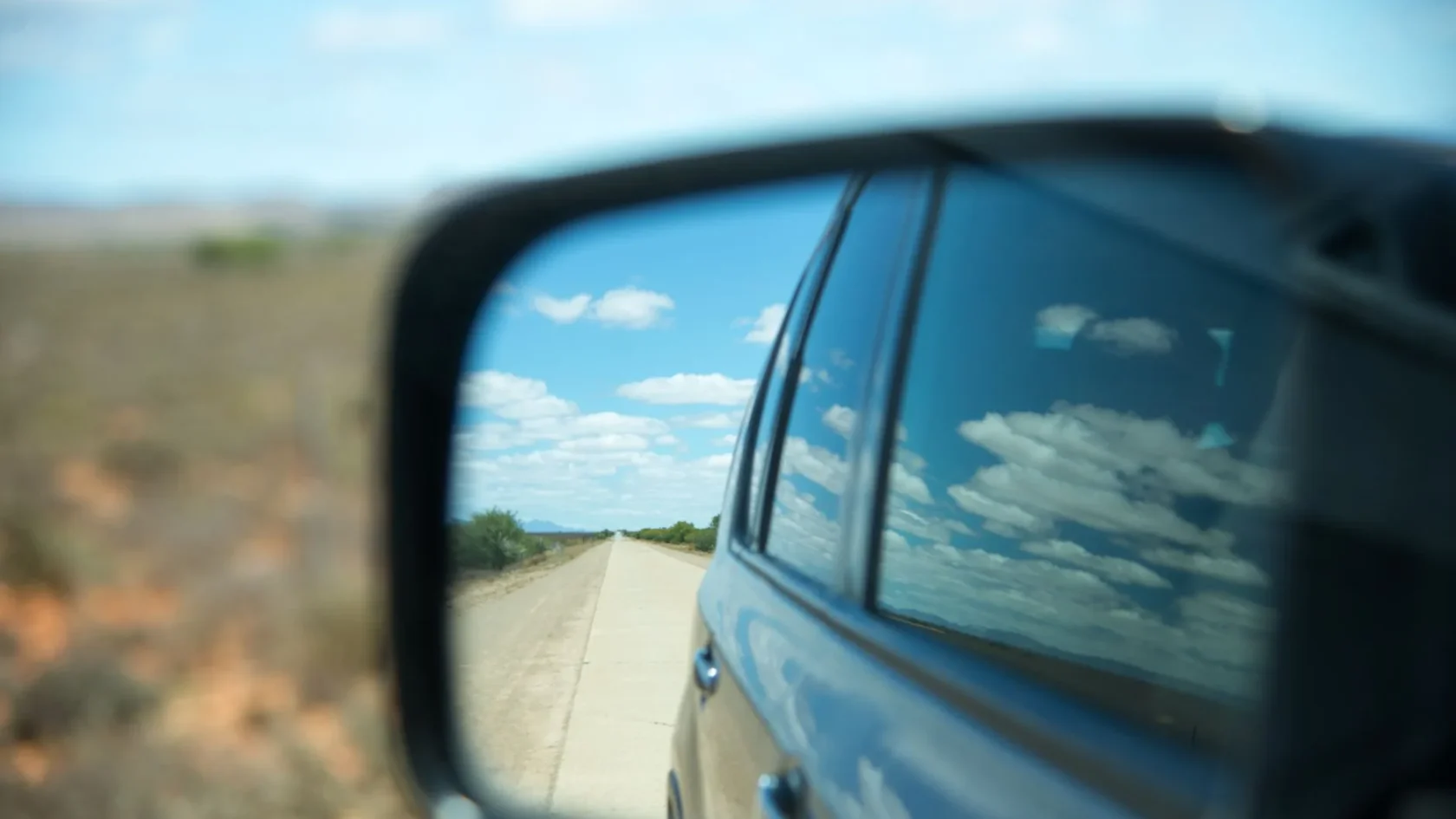
Blind spot monitoring works with two small radar sensors, one behind each rear corner of the bumper. They watch the lanes beside and just behind you. When another vehicle enters that zone, the icon in the matching mirror lights up, and if you signal toward it, many cars add a beep or a flash.
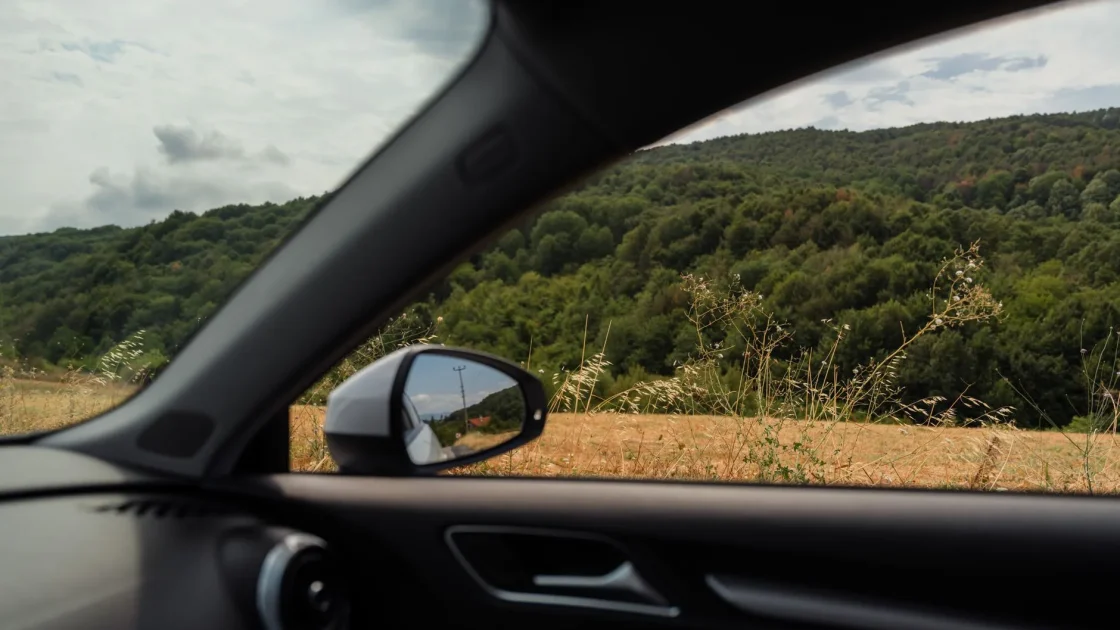
The “off” message means those sensors are not currently watching for you. That can be on purpose, because the feature is disabled in settings, or it can be forced, because the radar cannot get a clean read. The car does not always spell out which, so your job is to work out the cause. If you want to see how this sits next to every other assist alert, our overview of what your ADAS warning lights actually mean puts it in context.
Did you, or the car, turn it off?
Start by asking the obvious question, because the answer is usually yes. Many cars let you toggle blind spot monitoring in the driver-assistance menu, and it is easy to switch off by accident, or for a previous driver or a valet to have done it.
Tip
Before assuming a fault, dig into the settings. Look under Driver Assistance, Safety, or Vehicle in your infotainment screen, or check for a physical button near the shifter or on the door. Nine times out of ten the toggle is simply off.
If the setting is on and the message still shows, then the car forced it off, and that points at the sensors. That is where the next section comes in. For the full picture of how the feature behaves normally, blind spot monitoring explained simply covers what you should expect on a good day.
What blocks the rear corner sensors?
When the system forces itself off, something is stopping the radar from seeing. The usual suspects sit right over those rear bumper corners.
- Caked snow, ice, mud, or road salt packed onto the rear bumper corners.
- A thick coat of dirt or grime over the sensor area.
- A bike rack, trailer, or anything hanging off the rear of the car.
- Aftermarket bumper trim, a tow hitch accessory, or a heavy sticker over the sensor.
- A rear-end bump that knocked a sensor slightly out of position.
The dirt and snow cases are the most common by a mile, especially in winter. Because the sensors hide inside the painted bumper, you cannot see them, so people never think to wipe that spot, and that back corner is exactly where snow and salt pack in first. To understand the hardware itself, our look at how blind spot radar sensors work shows exactly where they sit and why a clean bumper matters.
The trailer and bike rack twist
Here is a case that catches people out. On many cars, towing a trailer or mounting a bike rack automatically disables blind spot monitoring, and the car does it on purpose. The system would otherwise see the trailer or rack as a permanent object glued to your blind spot and alarm constantly, so it steps aside.
Some cars with a factory tow package handle this smoothly and even extend the coverage around the trailer. Most do not, and simply switch the feature off until you unhook. If you plugged in a trailer or hung a rack right before the message appeared, that is almost certainly your answer, and nothing is wrong at all.
How to get it back on
Work through these in order and you will resolve the vast majority of cases without a shop.
-
Check the menu
Open the driver-assistance settings and confirm blind spot monitoring is switched on. Toggle it off and back on if it looks enabled but still fails.
-
Clean the rear corners
Wipe both rear bumper corners with a damp cloth. Clear off snow, ice, mud, and salt. You are cleaning the painted bumper, not a visible sensor, so cover the whole corner area.
-
Remove rear attachments
Take off a bike rack, unhook a trailer, or remove anything mounted over the bumper, then check whether the system returns.
-
Restart and drive
Turn the car off and on, then drive a short distance. Many systems only re-check and re-enable after a brief drive rather than at a standstill.
-
Scan if it persists
If the feature stays off with clean sensors, nothing attached, and the setting on, a sensor may be faulty or out of alignment. A shop can read the code and confirm.
When cleaning and settings do not do the trick, our deeper troubleshooting guide on the blind spot monitor not working walks through the harder faults. For the broader reset process on any assist, see how to clear an ADAS warning light.
When it is a real fault
If the setting is on, the bumper corners are spotless, nothing is attached, and the message still will not clear, you are likely looking at a genuine sensor issue. A corner radar can be knocked out of aim by a parking tap or fender bender, or it can simply fail with age and moisture over the years.
These corner sensors do more than blind spot alerts on newer cars. The same hardware often feeds rear cross-traffic alerts and lane-change assist, so a fault here can quietly disable several features at once. If you are curious how much rides on those units, what corner radar sensors do lays it out. Blind spot monitoring is genuinely worth having, and the IIHS research on driver assistance backs up how much it cuts lane-change crashes.
So the next time that message appears, do not brace for a big repair. Check the menu, wipe the back corners, unhook whatever you towed, and drive a block. That handles it far more often than not. Only when a clean, connected, correctly set car keeps hiding the feature do you need to hand it to a technician.
Frequently asked questions
Many cars deliberately disable blind spot monitoring while a trailer or bike rack is attached, because the system would see it as a constant object in your blind spot. Unhook the trailer or remove the rack and the feature normally switches back on by itself after a short drive.
Yes, and it is one of the most common winter causes. The radar sensors sit inside the rear bumper corners, so packed snow, ice, or salt over that area blocks them completely. Clear both corners with a cloth and the system usually comes right back.
Check the driver-assistance menu first. If the toggle is off, it was simply disabled and you can switch it on. If the toggle is on and the message still shows, the car forced it off, which points to blocked sensors or a hardware issue rather than a setting.
Yes, as long as you check your mirrors and shoulder-check before changing lanes, which you should always do anyway. The feature is a helpful backup, not a replacement for looking. Just be extra deliberate about lane changes until it is working again.
Keep reading
Related guides
The Yellow Car With Waves Symbol Decoded
The little car sending out ripples is one of the most misread dashboard symbols. Here is what it really represents.
Read guide
Steering Assist Reduced: What It Means
When the car says steering assist is reduced, it is usually protecting a system, not warning of a steering failure.
Read guide
Lane Assist Unavailable Message Decoded
When the car stops nudging you between the lines, it is usually because it cannot see them.
Read guide