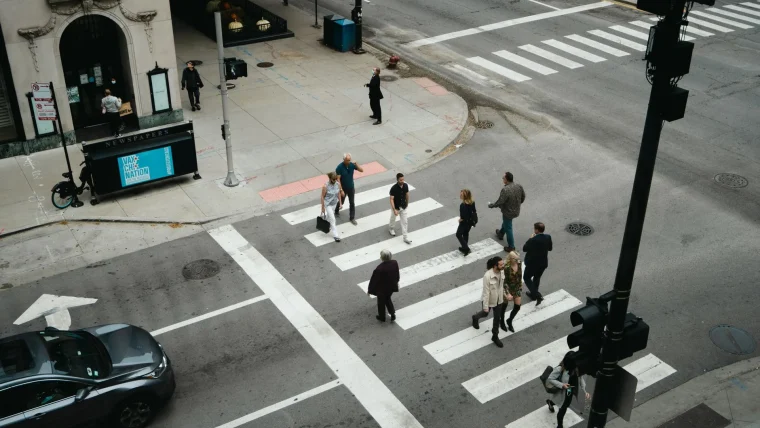
How Pedestrian Detection Systems Work
The forward camera and radar that watch for people, explained by a former ADAS calibration tech.
Read guide
Latest by Ridhhi Varma
The forward camera and radar that watch for people, explained by a former ADAS calibration tech.
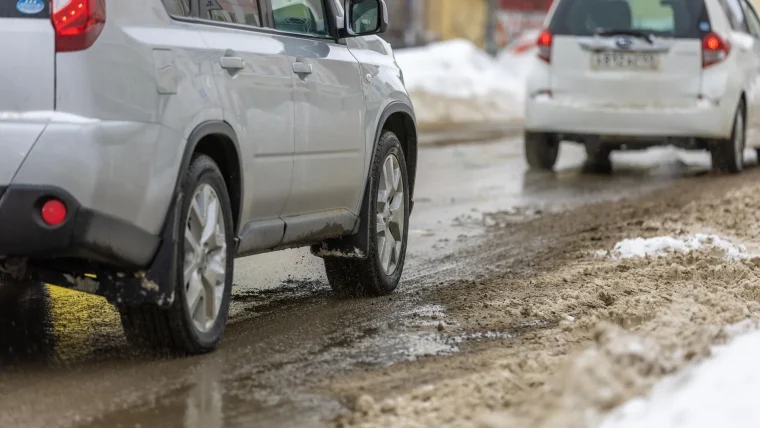
Read guideCold weather changes how your driver-assist systems behave, and knowing the quirks keeps you calmer when a warning pops up on an icy morning.
Read guideBlack screen, fuzzy picture, or a stubborn error message, sorted from easiest fix to hardest.
Read guideThe sensors tucked in your rear bumper corners are the reason your mirror lights up when a car sneaks up beside you.
Read guideThe quiet ways your cameras and radar tell you they have drifted out of aim, long before a hard fault shows up.
Read guideA steady parking sensor warning light means the system has a fault, not just a nearby obstacle.
Read guideThe highway mode that steers, holds speed, and keeps its distance, broken down by a former ADAS tech.
Read guideDriver-assist systems help, but they were never built to drive for you, and the fine print explains exactly why your eyes still belong on the road.
Read guideWhy a different tire size confuses your speed and radar data, and how to get it relearned.
Read guideWhen a technician in your driveway is every bit as accurate as a shop, and when the physics say otherwise.
Read guideCameras and radar rarely die overnight; they degrade in specific, predictable ways you can learn to spot.
Read guideDriver assist not available usually means a blocked camera, a fault, or a system waiting to relearn after a battery event.
Read guide